


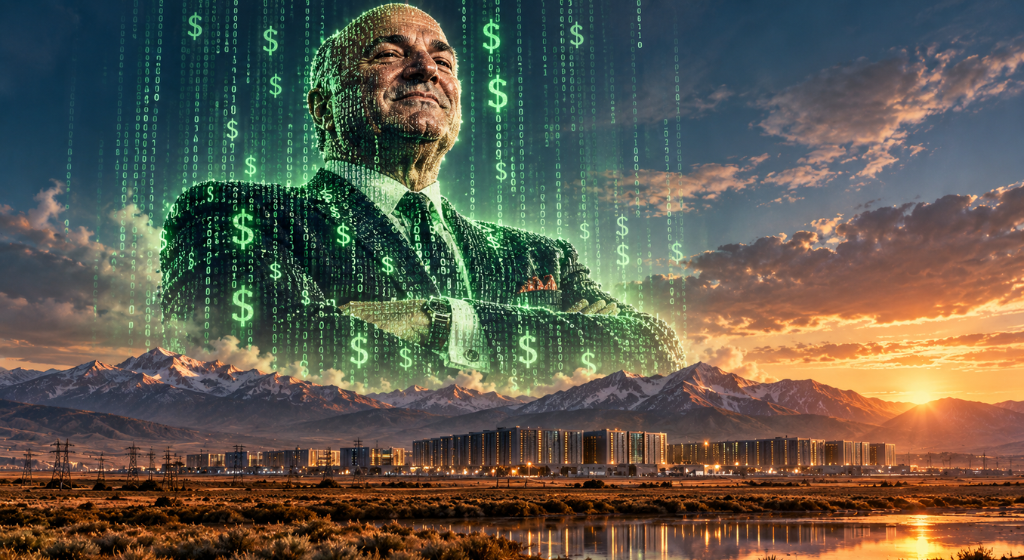
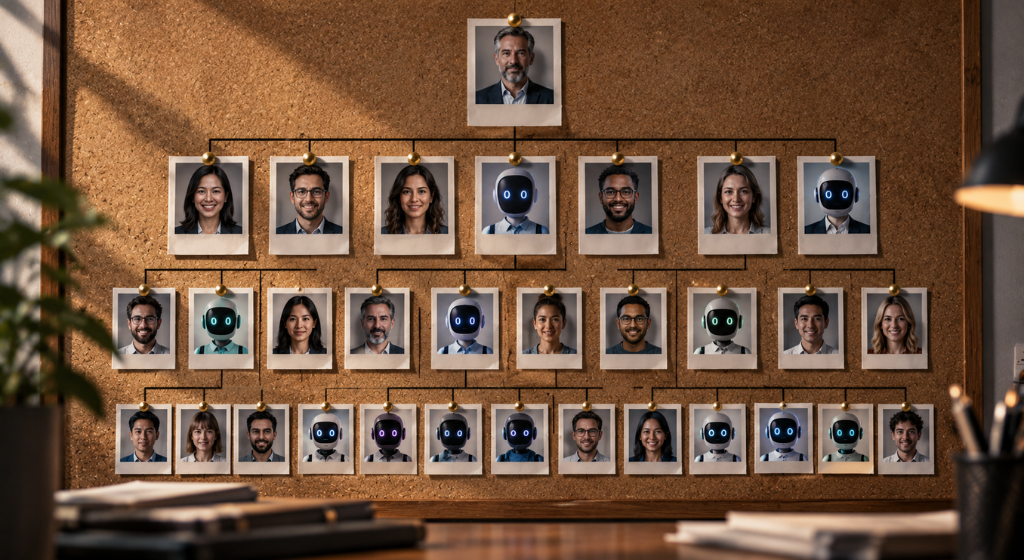
Hollywood’s agreement with ByteDance suggests the next phase of the AI copyright battle may increasingly be shaped not only by lawsuits, but by negotiated technical guardrails that allow generative tools and established creative industries to coexist. (Source: Image by RR)
Entertainment Industry Searches for Sustainable Rules Around Generative AI
Hollywood has reached its first formal copyright understanding with a major artificial intelligence company, with the Motion Picture Association announcing an agreement with ByteDance over protections built into its Seedance video generator and Seedream image-generation platform. The deal follows months of negotiations after the MPA, which represents studios including Disney, Netflix and Sony Pictures Entertainment, issued ByteDance a cease-and-desist letter in February alleging widespread unauthorized use of copyrighted entertainment properties. While neither side disclosed the specific safeguards included in the agreement, the MPA says ByteDance has strengthened protections for creative intellectual property.
The dispute, as noted in an article in the latimes.com, originally centered on Seedance 2.0, which Hollywood accused of generating unauthorized depictions of copyrighted characters and imagery closely resembling scenes from established television and film properties. ByteDance responded by pledging stronger safeguards around intellectual property and likeness rights. The companies now say newer versions of Seedance and Seedream incorporate improved IP protections, suggesting that technical guardrails rather than litigation alone may become an important mechanism for managing the relationship between generative AI platforms and entertainment companies.
The agreement is particularly significant because ByteDance’s AI tools have already gained traction among independent filmmakers attracted to their relatively low production costs. Hollywood studios, meanwhile, face a complicated balancing act: they want to prevent AI companies from exploiting valuable intellectual property without permission while simultaneously exploring how generative technology can lower production costs and create new filmmaking capabilities. AI developers similarly need access to entertainment customers and creative ecosystems while avoiding lawsuits that could restrict their products or establish unfavorable legal precedents.
More broadly, the ByteDance agreement could represent an early template for how entertainment companies and generative AI developers move beyond the copyright battles that have defined the industry’s first years. Rather than deciding every dispute through litigation, rights holders and technology companies may increasingly negotiate technical restrictions, licensing arrangements, attribution systems, and other mechanisms governing how copyrighted characters and creative works interact with generative models. Hollywood’s first AI copyright truce therefore may matter less for the specific protections ByteDance adopted than for the precedent that negotiation itself can work.
read more at latimes.com







Leave A Comment