


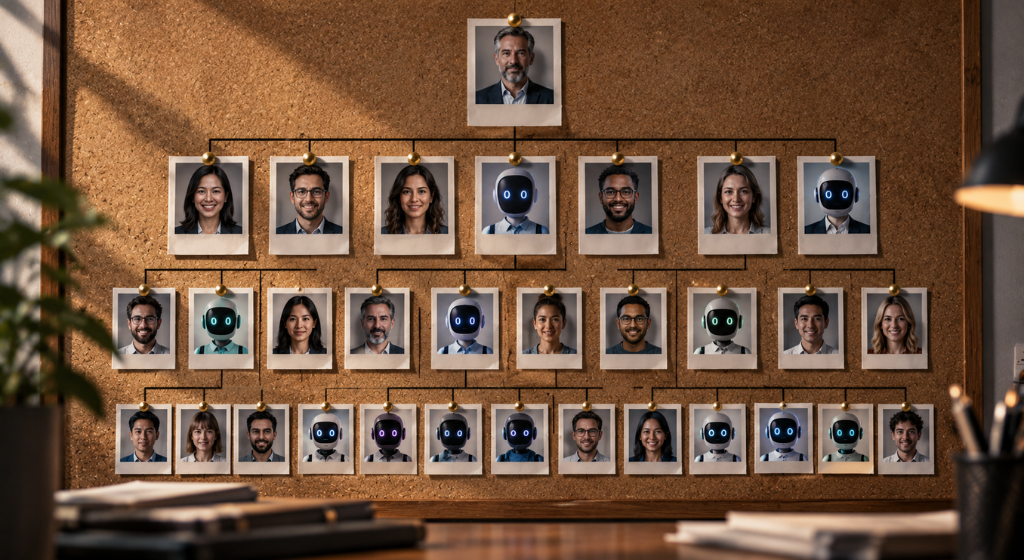
Camera-based AI could make workplace wellness screening cheaper and easier to repeat, but broader adoption will depend on validation, privacy, consent and responsible human interpretation. (Source: Image by RR)
Computer Vision Offers Alternative to Dedicated Wearable Devices
Rising healthcare costs are pushing employers to reconsider how they monitor workforce wellness, as new AI technologies could make recurring screening less expensive and easier to deploy. Aon projects U.S. employer healthcare costs will rise 9.5 percent in 2027, while increased healthcare utilization and changes in the types of care employees receive now account for a much larger share of cost growth. Traditional wellness programs, as noted at finance.yahoo.com, can provide useful information, but wearables require hardware, maintenance and integration, while in-person assessments involve scheduling, personnel and recurring administrative costs.
Advances in remote photoplethysmography, or rPPG, could offer another approach by using facial video captured through ordinary cameras to estimate physiological signals such as heart rate. Research published through Nature describes continued progress in the technology while identifying unresolved challenges involving lighting, movement, population diversity and real-world validation. If those limitations can be addressed, phones, computers and kiosks could potentially become low-friction wellness-screening interfaces without requiring every participant to own, charge or maintain a dedicated wearable.
That economic difference could matter for organizations managing large or geographically dispersed populations. FacialDx, an AI wellness intelligence company highlighted in the article, uses standard camera images to generate non-diagnostic wellness indicators designed to provide additional information to authorized users. Potential applications include recurring wellness checks for athletes, first responders and employees, where additional information could complement established assessments involving recovery, readiness, staffing or follow-up. The central business proposition is not necessarily replacing existing healthcare systems, but lowering the marginal cost of collecting another layer of wellness information between traditional evaluations.
Making screening easier, however, also makes governance more important. Facial information can constitute sensitive personal data, raising questions involving consent, privacy, retention, access and how results are used in employment or athletic decisions. Screening information also requires appropriate interpretation because a wellness indicator is not a medical diagnosis and could become consequential if used improperly. Camera-based AI screening may therefore expand organizational wellness options, but its long-term value will depend as much on validation, transparency and human oversight as on whether the technology makes screening cheaper.
read more at finance.yahoo.com











Leave A Comment