

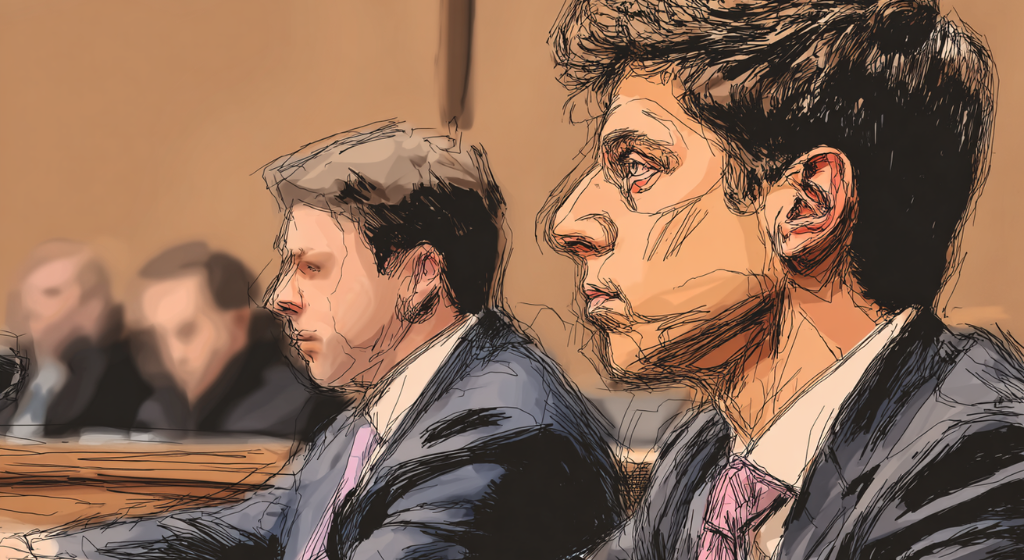
The Musk–OpenAI trial highlights a critical turning point in the AI industry, where questions of trust, governance and original mission may ultimately shape who controls the future of advanced intelligence. (Source: Image by RR)
Final Arguments Highlight Competing Visions for AI’s Future Direction
Closing arguments in the high-stakes legal battle between Elon Musk and OpenAI signal a pivotal moment that could reshape the trajectory of the artificial intelligence industry. At the heart of the case is Musk’s claim that OpenAI abandoned its original nonprofit mission in favor of profit-driven motives, allegedly without honoring foundational agreements among its early leaders.
The trial, according to an article at apnews.com, has focused heavily on whether Musk’s claims were filed within the legal timeframe, as well as whether a “charitable trust” existed and was subsequently violated. Without a formal contract, Musk’s legal team has relied on internal communications, public statements, and early organizational intent to argue that OpenAI’s leadership breached its original commitments.
OpenAI, in turn, has pushed back forcefully, asserting that Musk was aware of and even supported the company’s transition toward a for-profit structure. The defense has framed Musk’s claims as inconsistent with both documented evidence and witness testimony, arguing that his narrative is contradicted by multiple individuals involved in the company’s early development.
Beyond the courtroom, the case reflects broader tensions surrounding the future of AI—balancing innovation, control and public trust. With potential implications for corporate structure, industry leadership, and even upcoming IPOs, the trial underscores how the governance of AI may prove just as consequential as the technology itself.
read more at apnews.com







Leave A Comment