


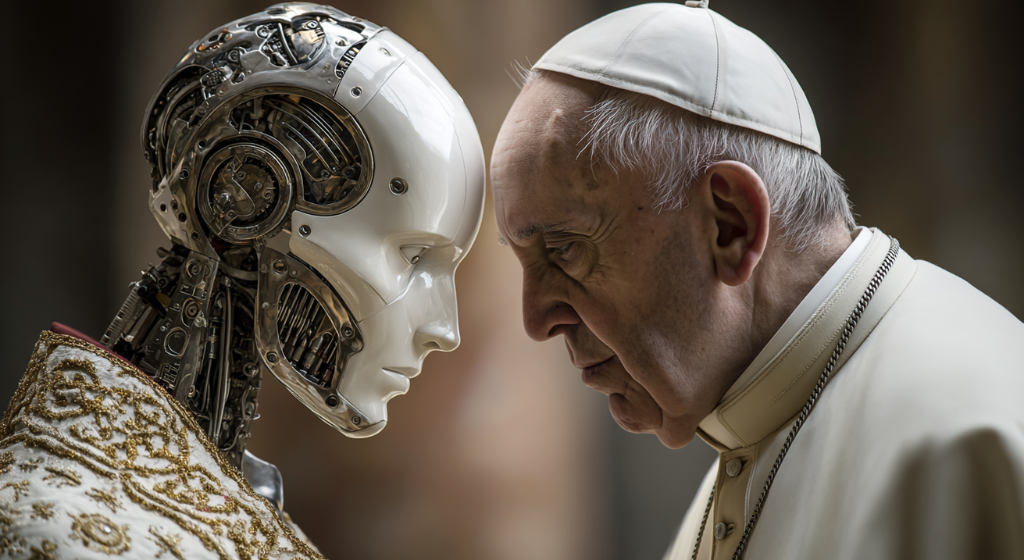
The AAA’s ‘AI Arbitrator’ pilot suggests AI could make some private disputes faster and more transparent—yet the hardest questions remain who controls it, how it stays accountable, and what happens when an automated judge gets the facts wrong. (Source: Image by RR)
Humans Stay in the Loop to Reduce Hallucinations and Validate Final Awards
A growing debate is emerging over whether AI should do more than assist lawyers—potentially deciding legal disputes outright. In a wide-ranging interview, Bridget McCormack, former chief justice of the Michigan Supreme Court and now CEO of the American Arbitration Association (AAA), argues that many legal outcomes should be more predictable and consistent than they are today, largely because humans introduce bias, fatigue, and error into decision-making.
McCormack, as noted in theverge.com, says the access problem is fundamental: most Americans and many small businesses can’t afford legal help, making the justice system difficult to navigate and often functionally unreachable. She contends arbitration can be faster and more accessible than courts for many disputes, and that “procedural justice”—people feeling heard and understanding the reasoning—can build trust even when outcomes disappoint. She believes AI systems may be uniquely positioned to improve that “heard and understood” experience by summarizing claims, confirming details with parties, and showing their work.
The AAA has begun piloting an AI-assisted arbitration system called the AI Arbitrator, currently limited to a narrow slice of cases: documents-only construction disputes that can be resolved based on written records. The system relies on multiple specialized agents to parse claims, map evidence to legal elements, and draft an award—while keeping humans in the loop at key points, including the parties themselves and a human arbitrator who approves the final decision. As of now, the AI Arbitrator has one case on its docket.
The interview highlights both promise and risk. McCormack argues that governed, audited systems with transparency may outperform today’s overburdened courts in certain private disputes, while drawing hard lines around criminal cases and disputes against the government that should remain in public courtrooms. Skeptics raise concerns about hallucinations, accountability, and the power dynamics of arbitration clauses in consumer contracts—warning that automation could amplify unfairness unless strict due process, audits, and real remedies exist when the system fails.
read more at theverge.com








Leave A Comment