


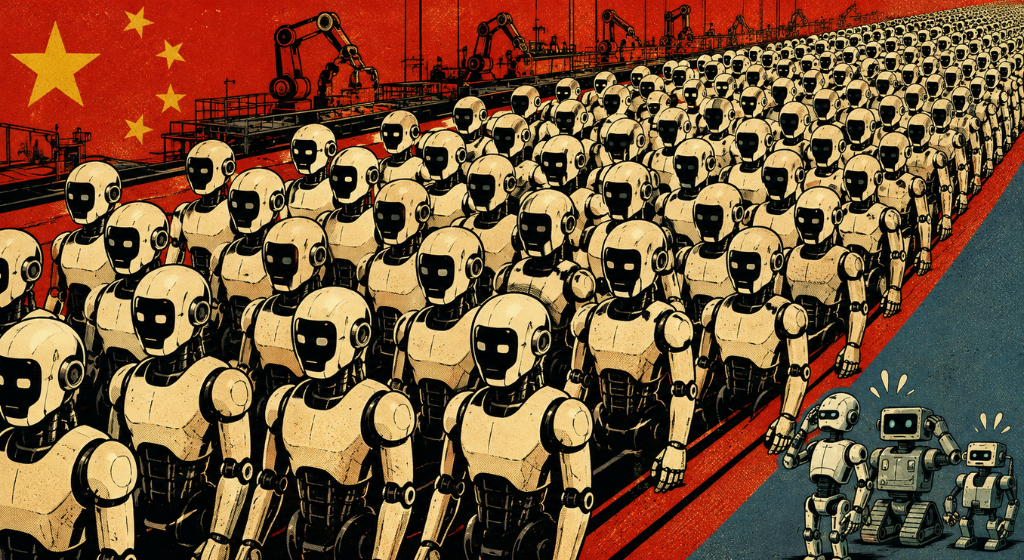
Google has expanded Earth AI, a suite of Gemini-powered geospatial models that combine real-time data from weather, population, and satellite imagery to forecast floods, track disease, and assess environmental risks — marking a major leap in using AI to understand and protect the physical world. (Source: Image by RR)
Gemini-Powered Geospatial Reasoning Links Maps, Populations and Forecasts
Google is taking a major step forward in AI-driven environmental intelligence with the global expansion of Earth AI, a platform that combines decades of geospatial modeling with Gemini’s advanced reasoning. The company, as noted in blog.google, says Earth AI will now help governments, nonprofits and enterprises better understand and respond to crises like floods, wildfires, cyclones and droughts. Already, Google’s AI-powered forecasting tools reach more than two billion people worldwide, offering flood predictions and crisis alerts that have saved lives during disasters like the 2025 California wildfires.
The centerpiece of this expansion is Geospatial Reasoning, a new framework powered by Gemini that connects diverse Earth AI models — from population density to satellite imagery — to answer complex, real-world questions. For example, humanitarian organizations such as GiveDirectly can now combine flood maps and demographic data to identify vulnerable communities faster and direct aid more effectively. By linking data across ecosystems, Google aims to enable decision-making that captures the “whole picture,” not just isolated metrics.
Google is also introducing Gemini capabilities directly into Google Earth, allowing users to analyze terrain and environmental patterns simply by typing questions. With the upgraded tools, analysts can pinpoint areas where rivers are drying up, track harmful algae blooms in real time, or assess drought-related dust storm risks. These new AI-assisted insights will roll out in the coming weeks to Google Earth Professional users in the U.S., and to Google AI Pro and Ultra subscribers with expanded limits for higher-resolution analysis.
Finally, Google is extending Earth AI to Google Cloud, making its Population, Imagery, and Environment models available to trusted testers and enterprise customers. Early pilots are already underway: the World Health Organization’s African Regional Office is using Earth AI to forecast cholera outbreaks in the Democratic Republic of Congo; Planet and Airbus are using it to monitor deforestation and vegetation near power lines; and Alphabet’s X moonshot Bellwether is applying the system to improve hurricane prediction for global insurance clients. Google says the goal is to make Earth AI “reason about the physical world as fluently as LLMs reason about the digital one,” supporting breakthroughs in public health, crisis response, and environmental protection.
read more at blog.google









Leave A Comment