


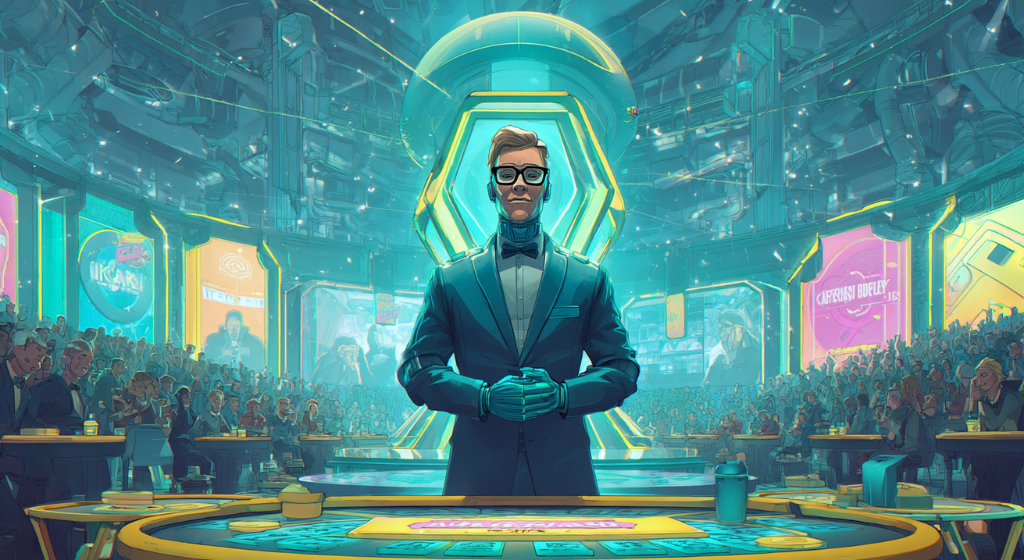
The backlash against Martin Scorsese’s AI partnership illustrates a growing conflict within the creative industries, where the promise of technological innovation is increasingly colliding with concerns about artistic labor, economic displacement and the future of human creativity. (Source: Image by RR)
Artists Seek Greater Protections as AI Adoption Accelerates Across Media
A growing controversy has emerged after acclaimed filmmaker Martin Scorsese joined AI startup Black Forest Labs as an advisor and publicly endorsed its generative AI platform, FLUX. The move prompted a sharp rebuke from the Art Directors Guild, which accused Scorsese of promoting technology that could replace or diminish the role of artists, designers, illustrators and production professionals who have historically contributed to filmmaking through direct creative collaboration.
The Guild, according to an article in variety.com, argues that tools like FLUX risk bypassing many of the visual development processes traditionally performed by unionized creative workers. In a public statement, representatives criticized Scorsese for endorsing AI-generated concept development and visualization workflows, suggesting that these tools threaten professions that have long played a critical role in translating a director’s ideas into cinematic reality. The dispute reflects growing anxiety throughout Hollywood about how generative AI may reshape creative labor.
Scorsese, however, has framed AI as an extension of filmmaking technology rather than a replacement for artists. Drawing comparisons to his previous adoption of innovations such as 3D filmmaking and digital de-aging techniques, he described AI as a tool that helps communicate ideas more clearly to creative teams. According to his comments, the technology serves as a bridge between imagination and execution, allowing collaborators to build upon a more fully realized visual starting point.
The disagreement highlights a broader industry divide that continues to deepen as AI tools become more capable. While proponents view generative AI as a creative accelerator, critics worry it may gradually erode opportunities for human artists and shift economic value away from creative professionals. As AI adoption expands across film, television, gaming, and design, the debate is increasingly moving beyond technical capability and toward fundamental questions about authorship, labor, and the future of artistic collaboration.
read more at variety.com






Leave A Comment