

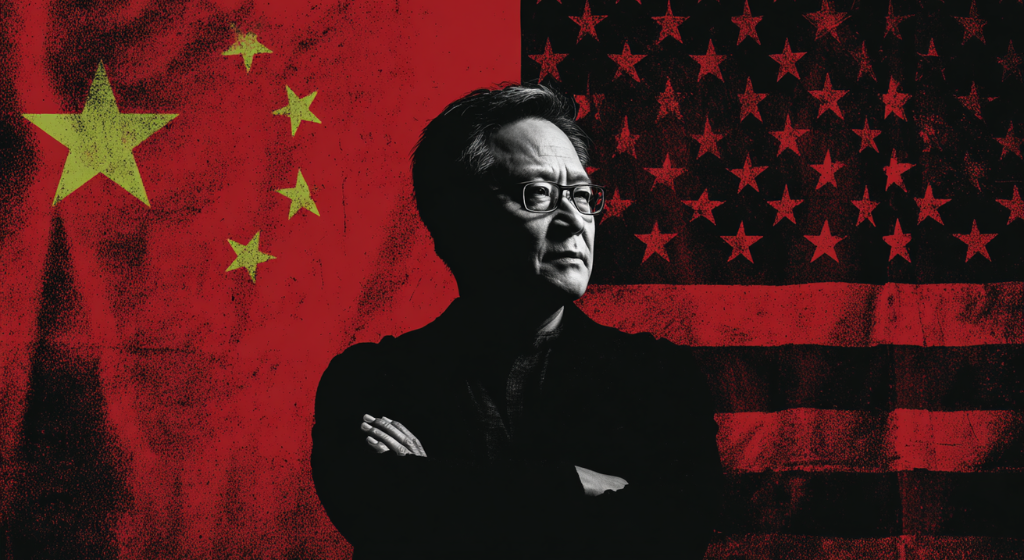
Nvidia CEO Jensen Huang warned that China is poised to surpass the U.S. in artificial intelligence, urging Washington to engage rather than isolate China’s vast developer community, as restrictive trade policies threaten America’s long-term AI leadership despite its technological edge. (Source: Image by RR)
Huang Says China Is Only ‘Nanoseconds Behind’ the United States in Artificial Intelligence
Nvidia CEO Jensen Huang has issued a stark warning about America’s position in the global race for artificial intelligence dominance, telling the Financial Times that “China is going to win the AI race.” Speaking at the Future of AI Summit, Huang emphasized that China is “nanoseconds behind America in AI,” highlighting how quickly the nation’s vast developer ecosystem and industrial capacity could close the gap. He cautioned that if the U.S. doesn’t take proactive measures to strengthen its global influence and developer relationships, it risks losing its edge in the defining technological contest of the century.
Huang’s comments, as noted in reuters.com, reflect growing anxiety over the U.S.-China technology rivalry, particularly regarding Nvidia’s advanced AI chips — the backbone of most modern AI systems. He stressed that while he wants America to lead, shutting out China’s enormous developer base could prove self-defeating. “A policy that causes America to lose half of the world’s AI developers is not beneficial — it hurts us more,” Huang said, calling on U.S. policymakers to recognize that influence over global software ecosystems may prove as crucial as control over chip manufacturing.
The debate comes amid rising geopolitical tensions and export restrictions that limit Nvidia’s ability to sell its most powerful chips in China. Former President Donald Trump recently stated that Nvidia’s new Blackwell chips should be reserved exclusively for U.S. customers, a stance that further tightens the split between the two countries’ AI industries. Nvidia, for its part, has not applied for new export licenses to sell in China, citing Beijing’s hostility toward the company. Despite these barriers, Huang continues to argue that maintaining access to the Chinese market is essential for sustaining innovation, global reach, and long-term competitiveness.
Huang’s warning underscores the delicate balance the U.S. faces in its quest for AI supremacy: safeguarding national security while staying globally connected. He believes that America’s success depends not only on hardware leadership but also on winning the hearts and minds of the world’s developers. As he put it, “We want America to win this AI race. No doubt about that. But we also need to be in China to win their developers.”
read more at reuters.com









Leave A Comment