


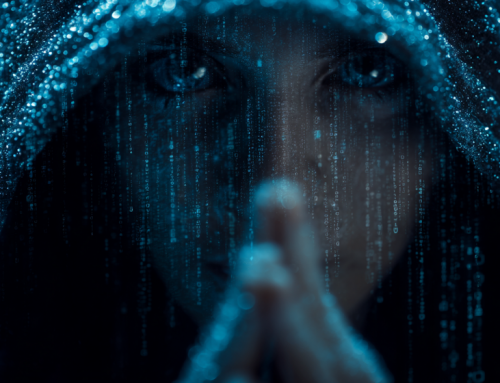
Netflix reaffirmed its commitment to using generative AI as a creative enhancement tool rather than a replacement for human storytelling, with Ted Sarandos emphasizing artistic integrity as the company experiments with AI-driven visual effects and production tools amid growing industry tension over AI ethics and deepfakes. (Source: Image by RR)
CEO Ted Sarandos Reassures Creatives that AI Will Enhance Storytelling
Netflix is openly embracing generative AI as a creative tool but insists it won’t replace human storytelling. In its latest quarterly earnings report, the streaming giant told investors it is “very well positioned to effectively leverage ongoing advances in AI.” CEO Ted Sarandos, as noted in techcrunch.com, emphasized that while AI will help creators “tell stories better, faster, and in new ways,” it won’t make anyone a great artist on its own. “It takes a great artist to make something great,” Sarandos said during Tuesday’s investor call, stressing that Netflix is focused on enhancing, not replacing, creative talent.
Netflix has already begun experimenting with AI-assisted production. Earlier this year, it used generative AI to render a collapsing building in the Argentine series “The Eternaut,” marking the first time AI-generated footage appeared in final Netflix content. Since then, “Happy Gilmore 2” filmmakers have used AI to digitally de-age actors, and producers of “Billionaires’ Bunker” employed it during pre-production to visualize wardrobe and set designs. Sarandos said the company is “all in” on these behind-the-scenes applications but added that Netflix is not “chasing novelty for novelty’s sake.”
The announcement comes as Hollywood continues to grapple with AI ethics and labor concerns. Actors’ unions and creators fear that large language and video models trained on existing works could undermine their livelihoods. The controversy intensified following OpenAI’s release of Sora 2, an advanced video-generation model that lacks strict guardrails against deepfakes. In response, SAG-AFTRA and actor Bryan Cranston urged OpenAI to restrict AI recreations of performers. Sarandos acknowledged these concerns, admitting that while AI “starts to make sense” in content creation, he remains “not worried about AI replacing creativity” in the film and TV industry.
Netflix’s stance highlights the growing divide between those who see AI as a creative threat and those who view it as a production ally. While studios may continue to use AI for special effects, pre-visualization, and post-production, the technology’s ripple effects could still reshape jobs in visual effects and animation. Despite mixed reactions, Netflix’s quarterly revenue grew 17% year-over-year to $11.5 billion, slightly below projections — but its confidence in AI suggests the company is betting that smarter tools, not synthetic actors, will define the next chapter of entertainment.
read more at techcrunch.com










Leave A Comment